



The transition from winter to spring often reveals issues that might have been lurking unnoticed during colder weather. Here’s why spring is a good time to schedule repairs:
- Winter’s Toll Becomes Apparent: Harsh weather conditions can take a toll on springs, rollers, and tracks. Spring is the ideal time to assess these components and address any damage.
- Spring offers ideal conditions for repairs, a welcome change from the extremes of winter’s chill and summer’s swelter.
- Prepare for Increased Activity: With more folks enjoying the outdoors, your garage door will likely see more action. A door that’s been properly maintained is less likely to fail when you need it.
Common Problems with Garage Doors After the Winter
There are many problems that can occur with garage doors in the winter. In the spring, you should pay attention to the following:
1. Hardware that’s seen better days.
Cold temperatures and damp conditions can make metal components contract, expand, and ultimately corrode. Pay attention to:
- Hinges
- Tracks
- Rollers
- Springs
Replacing any worn or rusted parts is a good idea to prevent future issues.
2. Tracks that are bent or misaligned.
Cold weather and ice accumulation can warp tracks, throwing them out of whack. If your garage door shows unusual shaking or movement, the tracks may need attention, either through repair or adjustment.
3. Weather stripping can suffer.
The weather stripping and bottom seal on your garage door are designed to keep out debris, moisture, and pests. Cold weather, including snow, ice, and road salt, can cause these seals to deteriorate or fail. To improve your home’s energy efficiency and insulation, check for any gaps and replace any seals that show signs of wear.
4. Weak or broken springs.
Garage door springs bear a heavier load during the winter months, which increases the likelihood of failure.
If your door is hard to open or feels heavier than usual, the springs may need to be fixed by a professional.
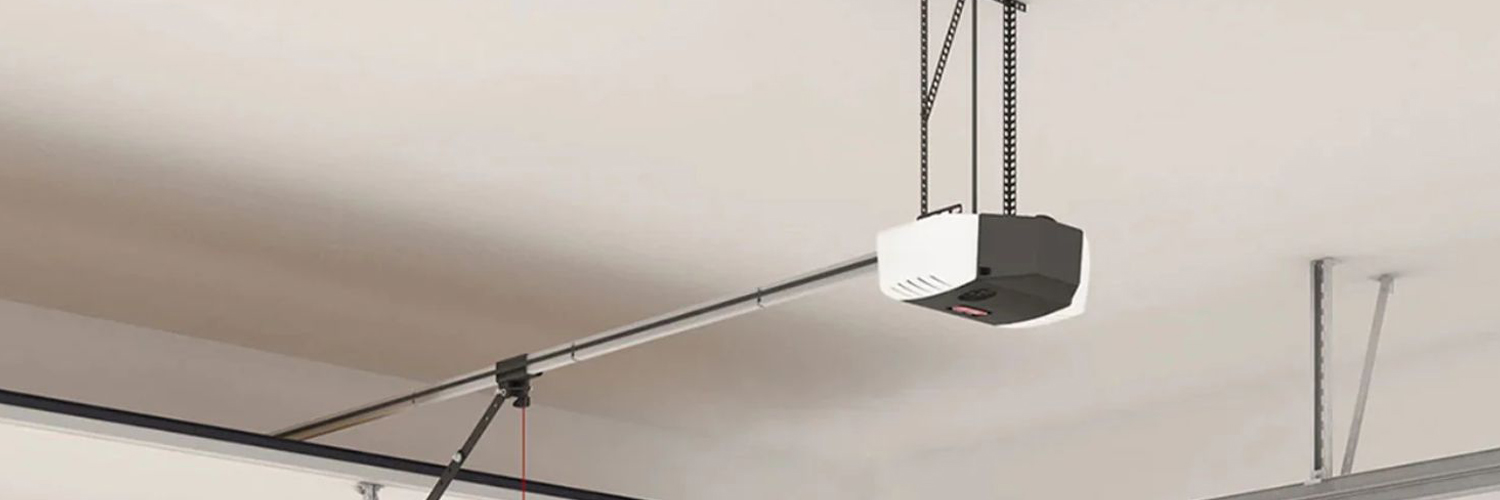
5. The garage door opener doesn’t work.
Cold weather can sap the life from keypad and remote control batteries, causing them to fail sooner. Come spring, it’s a good idea to test your opener’s functionality and replace it if it’s acting up. A garage door that hesitates or makes unusual noises might be trying to tell you something’s wrong.
Springtime Garage Door Maintenance
Here’s a quick guide to keeping your garage door humming along all summer long:
- To keep things running smoothly and reduce friction, give the rollers, hinges, and springs a good coating of silicone-based lubricant. This will help prevent wear and tear on those moving parts.
- Next, inspect the hardware for any loose bolts or screws. Tighten any that you discover.
- Place an object in the path of the closing door to check the auto-reverse function and confirm its proper operation.
- Clean the door and the tracks: Remove any dirt or debris that has built up and could cause problems.
Check the cables for fraying. If they show signs of wear, get a new one from a professional.
Schedule your Spring Garage Door Repair.
While some minor fixes are within reach for the handy homeowner, professional servicing guarantees your garage door operates safely and efficiently. A trained technician will thoroughly inspect every component, identify any issues, and perform the required repairs.
Spring is the best time to check your garage door for damage and make any necessary repairs. Addressing issues promptly helps prevent expensive failures and ensures a seamless operation in the months ahead.
If your garage door needs repairs or a seasonal tune-up, call Garage Door Services right away for professional help.
If you need more information about garage door repair in Whitby or the surrounding areas, please call Durham Garage Door Guys at 289-894-8787.